Call Now (800) 879-1964
Few things create more headaches for property managers than roof problems. A small hidden leak can turn into a six-figure repair, angry tenants, and precious time spent scrambling for emergency contractors.
Roofs are one of the biggest liabilities on any property, with costly issues often going unnoticed until significant damage occurs. That’s why property managers are turning to commercial roof testing to save money and reduce risk.
By detecting hidden moisture and pinpointing leaks, property managers can get ahead of problems before they escalate into costly repairs, claims, and emergencies. That means reduced repair costs and claims, longer-lasting roofs, and less stress in the day-to-day challenge of keeping buildings running smoothly.
Before looking at how property managers benefit from commercial roof testing, it’s important to understand what non-destructive testing actually involves and why it delivers far more insight than a standard roof inspection.
In a typical roof inspection, someone walks the roof, checking for visible wear, standing water, or obvious damage. While useful, that approach often misses hidden issues.
Commercial roof testing goes deeper by using non-destructive methods such as Roof Moisture Surveys and Electronic Leak Detection to spot what can’t be seen on the surface. These tests identify trapped moisture, pinpoint leaks, and assess the overall integrity of membranes and insulation.
The result is objective, actionable data about the true condition of the roof, not just what can be seen on the surface. Property managers are utilizing this data to identify problems early and make targeted repairs that reduce headaches, save money, and extend roof life.

One of the most overlooked property management expenses is the cost of energy wasted by wet insulation. The U.S. Department of Energy reports that moisture can reduce insulation’s R-value by up to 50%, stripping away its ability to regulate heating and cooling. That means higher utility bills, unhappy tenants, and unnecessary strain on building operations.
Property managers use Roof Moisture Surveys to find problems early and avoid not only these energy losses but, in some cases, a full roof replacement. Different testing methods are used depending on the roofing system:
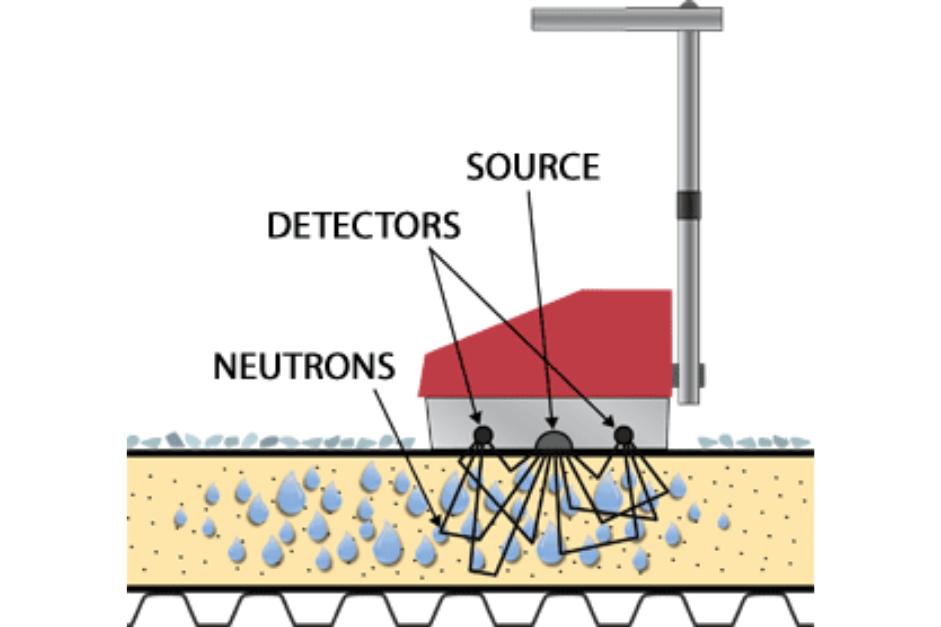

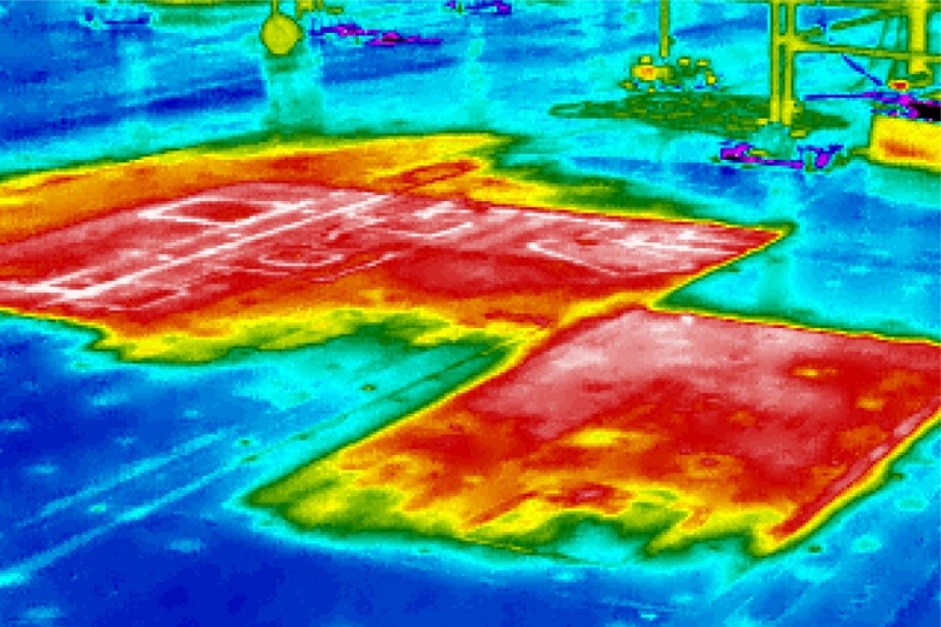
By repairing only the wet sections instead of paying for a full tear-off, they save significantly on capital costs. Early detection also reduces stress by eliminating the risk of hidden problems escalating into emergency work.
At the same time, addressing moisture issues preserves energy efficiency, keeps interiors comfortable for tenants, and prevents disruptive failures. Together, these advantages translate into tens of thousands in avoided replacement costs and ongoing savings on utility bills.
Water intrusion is one of the most expensive risks in property management. AXA XL data shows the average commercial water damage claim exceeds $150,000, and that doesn’t include the added costs of tenant disruption and reputational fallout.
Non-destructive Electronic Leak Detection Surveys (ELD) allow property managers to pinpoint leaks and catch these issues before they spread:
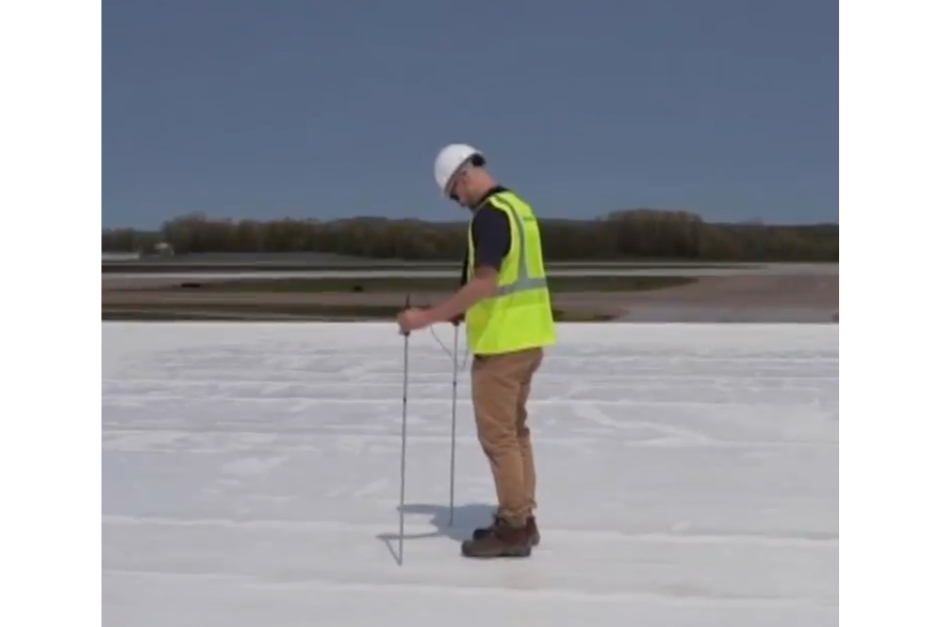
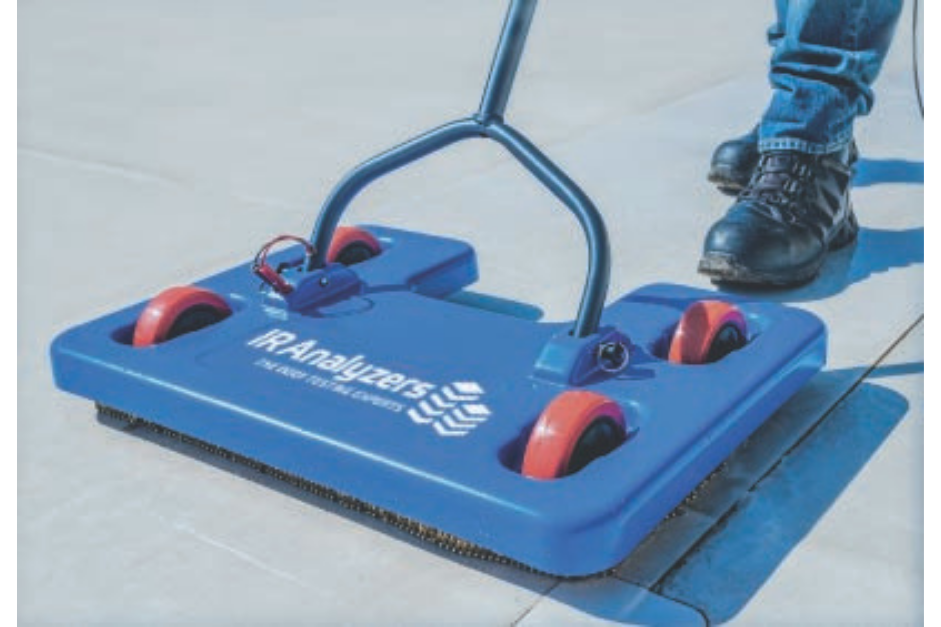
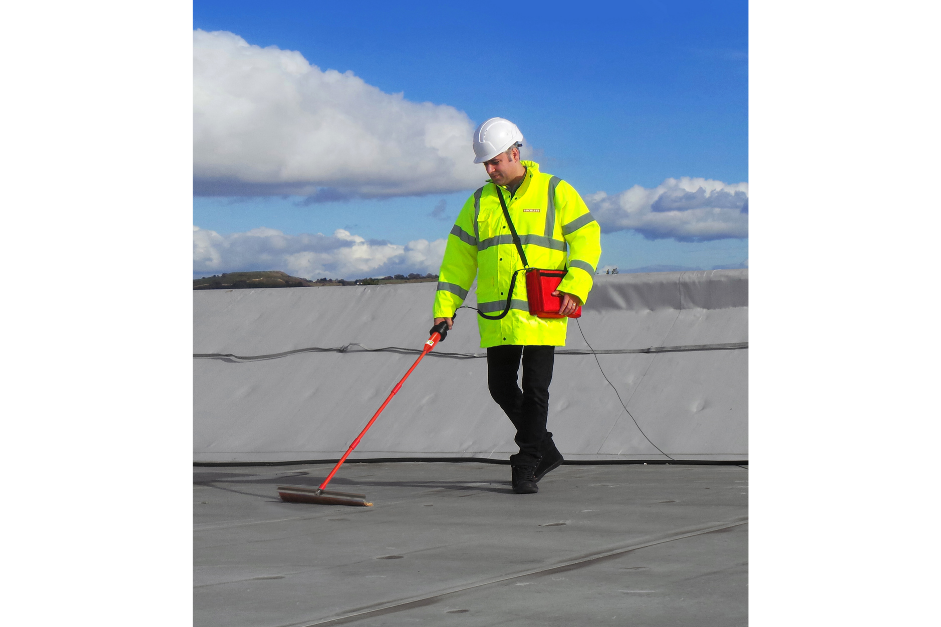
ELD pinpoints even the smallest breaches in roofing membranes, often long before leaks become visible inside the building. Property managers use this early detection to address leaks quickly and strategically before they escalate into six-figure claims.
Proactive leak detection can mitigate major risk exposures, lower insurance costs, and prevent the reputational damage that comes when tenants lose trust in a property’s reliability.
For property managers, the roof is one of the most valuable and expensive building assets. Undetected moisture damage and leaks accelerate wear and shorten the roof’s service life.
Property managers can use Non-Destructive Testing to identify these weaknesses before they turn into costly problems.
Roof Moisture Surveys identify areas of moisture damage, and Electronic Leak Detection pinpoints breaches, allowing property managers to:
Extending a roof’s lifespan by just five years can save hundreds of thousands of dollars in capital reserves. It also reduces the stress of emergency repairs, avoids disruptive projects for tenants, and helps maintain consistent building operations.
When property managers hire a roof testing provider, they can also gain defensible documentation that supports insurance, warranty, and legal claims. But roof testing is only as valuable as the standards it’s performed under.
By following ASTM and other recognized industry standards, reputable roof testing providers deliver reports that hold up with insurers, warranty providers, and even in court if needed. For instance, IR Analyzers follows:
By aligning with these recognized standards, reports are defensible for insurance, warranty, and legal claims, giving property managers the documentation they need to prove due diligence and protect coverage.
One of the biggest advantages of cutting-edge roof testing is that it doesn’t disrupt day-to-day operations. Traditional exploratory methods can be invasive, messy, and time-consuming, sometimes forcing tenants to deal with noise, debris, or partial shutdowns.
By contrast, non-destructive testing methods identify hidden issues using minimal invasive methodology and no interruptions to building operations. Property managers use these non-destructive testing methods to quickly and accurately diagnose problems without disrupting tenants.
Fewer service interruptions keep tenants satisfied, protect occupancy rates, and reduce the risk of rent concessions or reputational damage.
For property managers, the roof is one of the largest sources of costs, risks, and tenant headaches. Traditional inspections often miss hidden issues. That’s why property managers are using advanced, non-destructive methods to:

But the value of testing depends on the accuracy of the results, and that requires experience, the right tools, and compliance with industry standards.
With more than 40 years of expertise and over 30,000 surveys nationwide, IR Analyzers delivers the most thorough and accurate roof testing available. Our multi-technology approach, ASTM-compliant methods, and unbiased reporting provide the reliable data you need to make confident decisions about repair, replacement, and maintenance based on clear, accurate, actionable data.
Partner with IR Analyzers for commercial roof testing that will save you money, reduce risk and stress, and keep your property running smoothly.